
Losing a tooth can affect more than the appearance of your smile. It may make chewing more difficult, change the way your remaining teeth come together, or leave you wondering what your best replacement option might be. For many patients, dental implants in Groton, MA can be a long-term option worth discussing with a dentist.
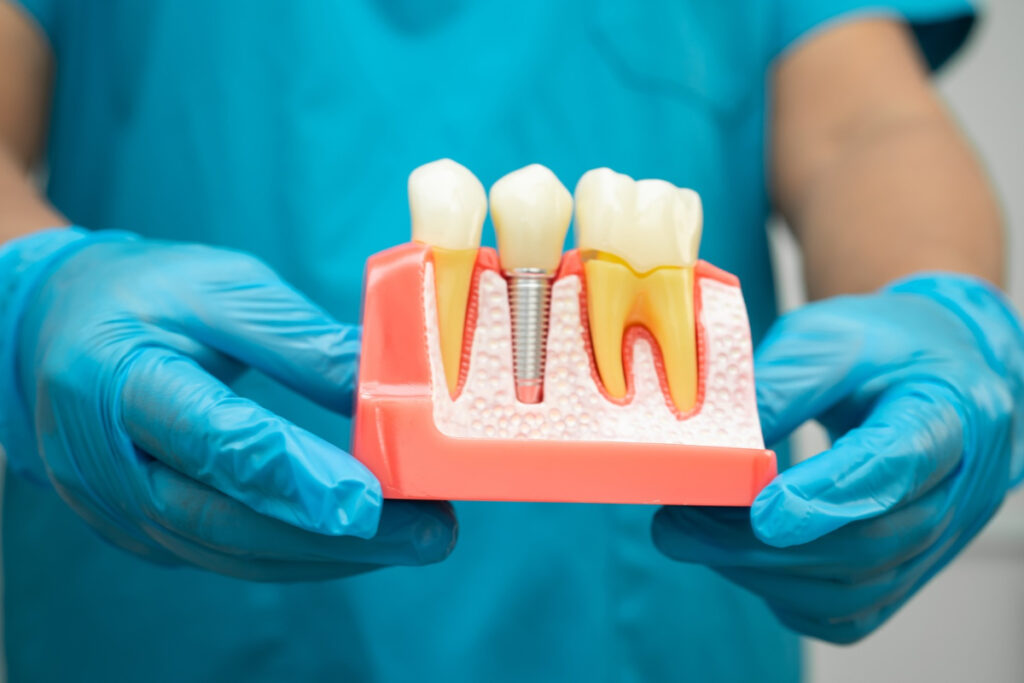
Dental implants are designed to replace the root portion of a missing tooth and support a replacement tooth, such as a crown. Unlike removable dentures, implants are anchored in the jawbone. However, they are not the right choice for everyone. Your oral health, bone structure, medical history, treatment goals, and overall needs all play a role in determining whether implants are appropriate.
If you have recently lost a tooth or have been living with a missing tooth for years, understanding how dental implants work can help you decide whether it is time to explore your options.
What Happens When You Lose a Tooth?
A missing tooth can create changes in your mouth over time. The surrounding teeth may shift into the open space, which can affect your bite and make cleaning certain areas more difficult.
The jawbone in the area of a missing tooth can also gradually lose volume because it no longer receives the same stimulation from a tooth root. The extent of these changes varies from person to person.
This does not mean that every missing tooth must be replaced with an implant. Bridges, dentures, and other restorative options may also be appropriate depending on your circumstances.
The important step is having your tooth loss evaluated so you can understand your options before deciding on treatment.
What Are Dental Implants?
A dental implant is a small post, commonly made from titanium, that is surgically placed into the jawbone. It serves as an artificial tooth root and can support a replacement tooth.
The implant must heal and integrate with the surrounding bone before the final restoration is attached. This process, called osseointegration, helps create a stable foundation for the replacement tooth.
At Smiles of Groton, dental implants are used to replace missing teeth and can also be used to help secure implant-supported dentures. The practice describes the implant process as involving an evaluation, treatment planning, possible bone grafting when needed, implant placement, healing, and placement of the final restoration.
Are Dental Implants in Groton, MA Worth Considering?
If you are wondering whether dental implants are worth considering after tooth loss, the answer depends on your individual situation. For patients who are appropriate candidates, implants can offer several advantages.
You can learn more about dental implants in Groton, MA, and the treatment options available at Smiles of Groton before deciding whether this approach is right for you.
One potential advantage is stability. Because the implant is anchored in the jawbone, it does not need to be removed like a traditional removable denture.
Implants can also help restore chewing function and provide a natural-looking replacement for a missing tooth. When properly planned and maintained, implant-supported restorations can provide long-term tooth replacement.
However, an implant is still a surgical treatment and requires careful evaluation, healing time, and ongoing oral care. A consultation is the best way to determine whether the potential benefits outweigh the challenges for you.
What Are the Benefits of Dental Implants?
Dental implants can offer several benefits for appropriate candidates.
They Can Restore Chewing Function
A missing tooth can make it harder to chew comfortably, particularly when the gap is in an area that handles significant biting forces. Replacing the missing tooth can help restore function.
They Can Provide a Stable Tooth Replacement
Unlike removable dentures, an implant is anchored into the jawbone. This can provide a stable foundation for a crown or other implant-supported restoration.
They Can Help Maintain the Jawbone
Because an implant replaces the root component of a missing tooth, it can provide stimulation to the surrounding bone. This may help reduce the bone changes associated with tooth loss.
They Can Look Natural
An implant-supported crown is designed to resemble a natural tooth. Your dentist will consider the position, shape, size, and appearance of the replacement when planning your restoration.
They Can Be a Long-Term Option
Dental implants are designed as a long-term tooth replacement option. Their longevity depends on factors such as oral hygiene, regular dental care, implant health, and the condition of the surrounding tissues.
It is important not to assume that an implant will last forever. Regular dental visits and good home care remain important after treatment.
Who May Be a Candidate for Dental Implants?
Not everyone who loses a tooth is automatically a candidate for an implant. Your dentist will need to evaluate your mouth and overall circumstances.
Factors that may be considered include:
- The condition of your jawbone
- The health of your gums
- Your oral hygiene habits
- The location and number of missing teeth
- Your overall health
- Your ability to maintain regular dental care
- Whether additional procedures may be needed before implant placement
Some patients may need bone grafting before an implant can be placed if there is not enough bone available to provide the necessary support. Smiles of Groton notes that bone grafting may be recommended when the jawbone is not sufficiently thick or strong for implant placement.
Your dentist can use an examination and dental imaging to assess your individual situation and develop an appropriate treatment plan.
What Is the Dental Implant Process Like?
Understanding the process can make treatment feel less uncertain.
1. Consultation and Evaluation
The process begins with an evaluation of your teeth, gums, and jawbone. Your dentist may use X-rays or 3D imaging to assess the area and plan treatment.
2. Treatment Planning
Your dentist will discuss your options and determine whether an implant, bridge, denture, or another restoration makes the most sense for your needs.
3. Bone Grafting, If Necessary
If you do not have sufficient bone to support an implant, bone grafting may be recommended before placement.
4. Implant Placement
The implant is surgically placed into the jawbone. Local anesthesia is generally used for the procedure, and your dental team will provide specific instructions for recovery.
5. Healing and Integration
The implant needs time to heal and integrate with the surrounding bone. This process can take several months depending on the individual treatment plan.
6. Abutment and Crown Placement
Once healing is complete, an abutment may be placed to connect the implant to the replacement tooth. A custom crown can then be attached to restore the appearance and function of the missing tooth.
Your dentist will explain the expected timeline based on your specific treatment.
Dental Implants vs. Bridges and Dentures
Dental implants are not the only way to replace missing teeth.
A dental bridge uses neighboring teeth to support a replacement tooth. Bridges can be a good option for some patients, particularly when an implant is not appropriate or when a different treatment approach is preferred.
Dentures are removable appliances that can replace one or several missing teeth. Depending on the situation, implant-supported dentures may provide additional stability compared with traditional removable dentures.
The best option depends on factors such as the number of missing teeth, your oral health, bone condition, treatment preferences, and budget.
A dentist can help you compare the advantages and limitations of each approach instead of assuming that one solution is best for everyone.
How Much Do Dental Implants Cost?
The cost of dental implants varies because every treatment plan is different.
Factors that may influence the overall cost include:
- The number of implants needed
- The type of restoration
- Diagnostic imaging
- Bone grafting or other preparatory procedures
- The complexity of the case
- Laboratory and restoration costs
- Insurance benefits and exclusions
Dental insurance may not cover every part of implant treatment, so it is important to review your specific benefits before beginning treatment.
At Smiles of Groton, patients can discuss financial and insurance questions with the team as part of planning their care.
What Does the American Dental Association Say About Tooth Loss?
Tooth loss can have consequences for oral health, and replacement options should be evaluated based on the patient’s individual needs. The American Dental Association provides educational information about oral conditions and treatment options that can help patients understand the importance of maintaining oral health.
For additional general information about oral health and tooth replacement, visit the American Dental Association’s oral health resources.
Keep in mind that online resources cannot determine whether you personally need an implant. A dental examination is necessary to evaluate the condition of your teeth, gums, and jawbone.
How Can You Care for a Dental Implant?
Getting an implant is only part of the process. Maintaining your oral health afterward is equally important.
Good implant care includes:
- Brushing your teeth regularly
- Cleaning between your teeth as recommended
- Maintaining healthy gums
- Attending regular dental appointments
- Following your dentist’s post-treatment instructions
- Reporting unusual pain, swelling, or changes around the implant
Although an implant cannot develop tooth decay in the same way as a natural tooth, the surrounding gums and tissues still require proper care.
Regular dental visits allow your dentist to monitor the implant and the health of the surrounding teeth and tissues.
Is a Dental Implant Right for You?
If you have lost a tooth, you do not have to decide on a replacement option immediately. The first step is understanding what is happening in your mouth and what choices are available.
Dental implants may be worth considering if you want a stable, long-term tooth replacement and your dentist determines that you are a suitable candidate. However, bridges, dentures, and other restorative options may be better suited to some patients.
At Smiles of Groton, the team takes a personalized approach to restorative care and offers dental implants as part of its comprehensive dental services. The practice also offers implant-supported denture options for patients who need more extensive tooth replacement.
If you are living with a missing tooth, a consultation can help you understand whether an implant or another tooth replacement option makes sense for you.
Ready to explore your options? Contact Smiles of Groton to schedule a consultation and discuss your tooth replacement needs with the dental team.
Frequently Asked Questions
1. Are dental implants better than dentures?
Neither option is universally better. Dental implants provide a fixed tooth replacement, while dentures are removable and may be appropriate for patients who need to replace several or all missing teeth. Your dentist can help you compare the options based on your oral health and treatment goals.
2. Can you get a dental implant years after losing a tooth?
Possibly. The amount and condition of available jawbone can affect implant candidacy. If bone loss has occurred, a dentist may recommend additional treatment before implant placement.
3. How long does the dental implant process take?
The timeline varies by patient. It may take several months because the implant needs time to heal and integrate with the jawbone before the final restoration is attached. Additional procedures, such as bone grafting, can extend the treatment timeline.
4. Does dental insurance cover dental implants?
Coverage varies by insurance plan. Some plans may provide benefits for certain parts of implant treatment, while others may offer limited or no coverage. Ask your insurance provider and dental office about your specific benefits before treatment.
5. How do I know if I am a good candidate for dental implants?
A dental examination is necessary to determine candidacy. Your dentist will consider factors such as your jawbone, gums, oral hygiene, overall health, and the location of the missing tooth before recommending treatment.