
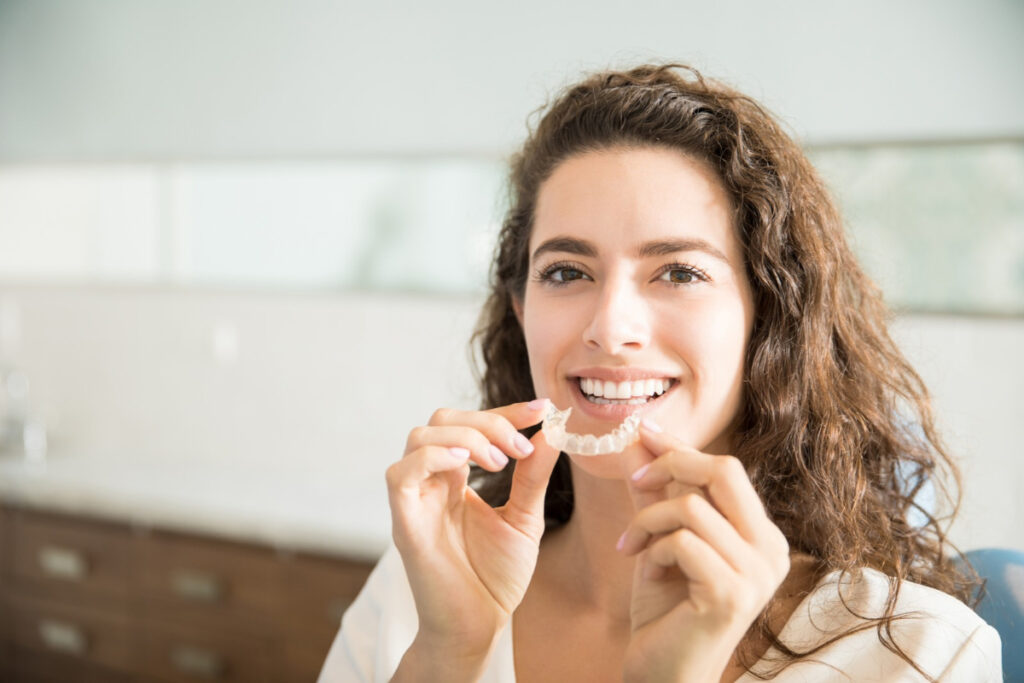
Starting Invisalign can feel exciting, but it is also normal to wonder what those first few days will actually be like. Will the aligners hurt? Will you be able to eat normally? Will talking feel different? How long does it take to get used to wearing them?
The good news is that the adjustment period is usually manageable. Invisalign aligners are designed to fit closely over your teeth and gradually guide them into new positions. During the first two weeks, you are mainly getting used to a new routine while your teeth begin responding to gentle, controlled pressure.
Knowing what to expect can make the transition easier and help you feel more confident about your treatment.
Day One: Getting Used to Your Aligners
Your first day with Invisalign may feel unusual, even if your aligners are comfortable. You will probably notice that something new is covering your teeth, and the snug fit can take some getting used to.
You may experience mild pressure or tenderness as your teeth begin adjusting to the aligners. This sensation is generally temporary. The aligners are designed to apply controlled force to gradually move your teeth.
You may also notice that your mouth produces more saliva than usual at first. This can happen because your mouth recognizes the aligners as something new. For many patients, this feeling becomes less noticeable as they adjust.
The most important thing on day one is to follow your dentist’s instructions and establish a consistent wearing routine.
Days Two to Three: Pressure and Mild Discomfort
The second and third days are often when patients become more aware of the pressure from their aligners. You may notice tenderness when biting down or when removing and reinserting the trays.
This does not necessarily mean something is wrong. Mild pressure is expected because the aligners are actively guiding your teeth. Smiles of Groton notes that most patients adjust within the first few days, with mild discomfort commonly improving within about 48 hours.
Your aligners should feel snug, but they should not cause significant or worsening pain. If you experience severe discomfort, persistent pain, gum injury, or an aligner that does not fit correctly, contact your dental provider rather than trying to adjust the tray yourself.
Days Four to Seven: Your New Routine Starts to Feel Normal
By the middle of the first week, many patients find that wearing Invisalign becomes much less noticeable. You may stop thinking about your aligners throughout the day and begin following your routine automatically.
This is also when the practical side of Invisalign becomes easier.
You will remove your aligners before eating and drinking anything other than water. After eating, you can brush your teeth and put the aligners back in. Unlike traditional braces, removable aligners do not require you to avoid specific foods because the trays are taken out during meals.
You will also become more comfortable inserting and removing your aligners. At first, the process may feel awkward, but it generally becomes second nature with practice.
Your First Week With Invisalign in Groton, MA
If you are considering Invisalign in Groton, MA, understanding the first week can help you prepare for treatment. At Smiles of Groton, Dr. Marc and Dr. Molly Valli use 3D digital scanning to evaluate your teeth and create a customized treatment plan. Their Invisalign process is designed to give patients a clear understanding of what to expect before treatment begins.
Your first week is not about seeing a dramatic transformation in the mirror. Tooth movement takes time. Instead, focus on getting comfortable with your aligners, maintaining good oral hygiene, and following your prescribed wear schedule.
Days Eight to Ten: Wearing Invisalign Becomes Second Nature
During the second week, your aligners may feel much more natural. You may find yourself putting them in and taking them out without giving it much thought.
One of the biggest adjustments at this stage is remembering to put your aligners back in after meals. Because they are removable, it can be easy to leave them out longer than recommended when you are busy.
Consistency matters. Smiles of Groton recommends wearing Invisalign for approximately 20 to 22 hours per day. Staying close to your prescribed wear time helps keep your treatment progressing according to plan.
You may also begin noticing small changes in how your teeth feel. Certain teeth may feel slightly different when you bite together. This can happen as your teeth gradually shift.
Days Eleven to Fourteen: Settling Into the Invisalign Lifestyle
By the end of the second week, many patients have established a comfortable routine.
You know when to remove your aligners, how to clean them, and how to put them back in. You are also likely to have a better understanding of how your mouth feels while the aligners are working.
At this point, the focus shifts from adjusting to Invisalign to staying consistent with your treatment plan.
You may not see major visible changes yet, and that is completely normal. Invisalign works progressively, with each set of aligners designed to move your teeth according to your customized treatment plan.
What About Talking With Invisalign?
Some people worry that Invisalign will change the way they speak. Because the aligners sit over your teeth, your tongue may initially need a little time to adjust to the new shape inside your mouth.
You may notice a slight difference in your speech during the first few days. Reading aloud or simply talking normally can help you become comfortable with the aligners.
For most patients, this adjustment becomes less noticeable as they get used to wearing the trays.
What About Eating and Drinking?
Eating with Invisalign is different from eating with traditional braces, but it is generally straightforward.
Remove your aligners before meals and snacks. You can then eat your normal foods without worrying about brackets or wires. Afterward, clean your teeth as recommended and put your aligners back in.
For beverages, follow your provider’s instructions. Water is generally the safest choice while wearing aligners. Removing your trays before consuming other beverages helps reduce the risk of staining and allows you to maintain better oral hygiene.
Keeping Your Teeth and Aligners Clean
Good hygiene becomes especially important during Invisalign treatment because your aligners cover your teeth for much of the day.
Brush and floss your teeth regularly, and clean your aligners according to your dentist’s instructions. Avoid putting dirty aligners back over unclean teeth after meals.
A consistent routine can help keep your mouth feeling fresh and support your overall oral health throughout treatment.
The American Dental Association recommends professional supervision for clear-aligner treatment. A dentist or orthodontist can evaluate your teeth and gums before treatment and monitor how your teeth are responding as treatment progresses.
When Should You Contact Your Dentist?
Mild pressure and temporary tenderness are common when beginning or changing aligners. However, you should not assume that significant or worsening symptoms are simply part of the process.
Contact your dental provider if you experience:
- Severe or persistent pain
- Significant gum irritation or injury
- An aligner that does not fit properly
- New or worsening bite problems
- A cracked, damaged, or lost aligner
- Symptoms that concern you or do not improve
Your dentist can determine whether the issue is part of normal adjustment or requires attention.
Making the First Two Weeks Easier
A few simple habits can make your Invisalign adjustment smoother:
Create a routine: Keep your aligners in the same place when you remove them for meals or brushing.
Carry a case: Always store your aligners in their protective case when they are not in your mouth.
Stay consistent: Follow your prescribed wear schedule rather than frequently leaving your aligners out.
Keep dental hygiene supplies handy: A travel toothbrush and floss can make it easier to clean your teeth after eating.
Follow your treatment instructions: Do not skip aligner changes or alter your schedule without consulting your dental provider.
Attend recommended appointments: Your dental team needs to monitor your progress and make adjustments when necessary.
The goal is not to make every moment of the first two weeks perfect. The goal is to establish habits that make Invisalign easy to manage throughout treatment.
Your First Two Weeks Are Just the Beginning
The first two weeks of Invisalign are mainly about adjustment. You may experience some pressure, tenderness, extra saliva, or temporary changes in speech, but these experiences generally become easier as you get used to wearing your aligners.
The bigger benefit comes from staying consistent over the months that follow. With proper wear and professional monitoring, Invisalign can gradually improve tooth alignment and bite while fitting into your everyday routine.
If you are considering clear aligners in the Groton area, a consultation is a good place to start. Smiles of Groton offers Invisalign consultations and uses digital scanning technology to evaluate your smile and create a personalized treatment approach.
Ready to Start Your Invisalign Journey?
You do not have to guess whether Invisalign is right for your smile. A professional evaluation can help you understand your treatment options, expected timeline, and what the first few weeks may look like for your specific needs.
At Smiles of Groton, Dr. Marc and Dr. Molly Valli provide Invisalign treatment for teens and adults and use advanced 3D digital scanning to help patients understand their treatment plan.
Schedule your Invisalign consultation with Smiles of Groton today and take the first step toward a smile you feel confident sharing.
Frequently Asked Questions
1. Does Invisalign hurt during the first two weeks?
You may experience mild pressure or tenderness, especially during the first few days or after switching to a new set of aligners. This is generally temporary. Significant or persistent pain should be discussed with your dentist.
2. How long does it take to get used to Invisalign?
Many patients become more comfortable with their aligners within the first several days. By the end of the first two weeks, wearing and removing the trays often feels much more routine.
3. Can I eat normally during Invisalign treatment?
Yes. Invisalign aligners are removable, so you can take them out before eating and enjoy your meals without the food restrictions associated with many traditional braces. Brush your teeth and replace your aligners after eating.
4. How many hours a day should I wear Invisalign?
Your dentist will provide specific instructions, but Smiles of Groton recommends wearing Invisalign approximately 20 to 22 hours per day. Consistent wear is important for keeping treatment on track.
5. What should I do if my Invisalign aligner does not fit?
Do not force an aligner into place or modify it yourself. Contact your dentist if an aligner does not fit as expected, becomes damaged, or causes significant discomfort. Your provider can determine the appropriate next step.